







Search Results for: Nensebo coffee beans
What is the heirloom coffee from the Guji zone of Sidama, Ethiopia? An analysis of Nensebo coffee bean flavors and processing methods
Ethiopia, the birthplace of coffee, is home to approximately 60,000 coffee varieties, among which the heirloom coffees from the Sidama Guji region are particularly noteworthy. The Guji area is renowned for its forest coffee and wild-growing practices. The Ch'Ire Ameli washing station in Nensebo woreda brings together over 700 smallholder farmers, using traditional raised-bed sun-drying processing. This article will guide you through the origin of the heirloom name, the terroir characteristics of Guji, and how dry processing affects coffee quality. At the same time, Front Street Coffee will also recommend Ethiopian natural beans worth trying. [more…]
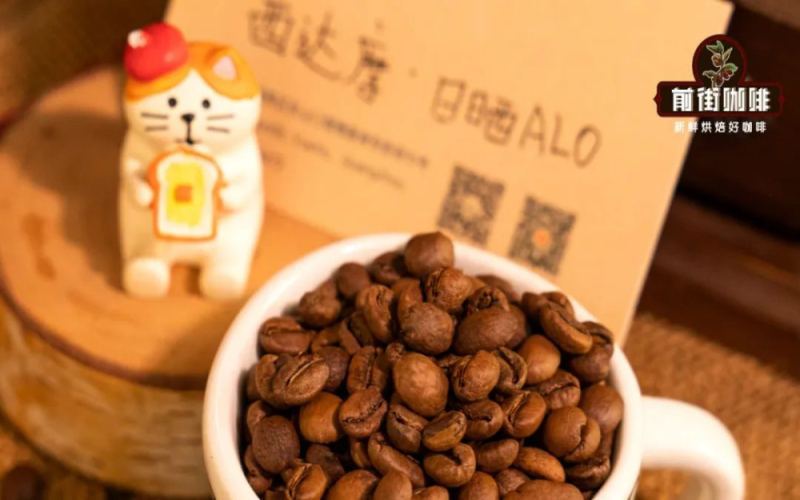
Ethiopia Sidama Bensa Alo Village Alo Coffee Explored: Brand Origins, High-Altitude Farming, and Natural-Process Flavor Fully Analyzed
Alo Coffee is an Ethiopian green bean brand that has attracted much attention in the specialty coffee circle in recent years, coming from Arlo Village in Bensa Town, Sidama Region. Founder Tamiru Tadesse Tesema won the 2021 COE competition with anaerobic natural 74165, quickly making this small high-altitude production area famous. Coffee trees in Arlo Village grow between 2,200 and 2,400 meters above sea level, and slow ripening brings higher density and complex aromas. This article will sort out Alo Coffee's brand background, production area location, processing station layout, and natural processing details, and, combined with Front Street's cupping experience, present the flavor layers of this bean from magnolia and passion fruit to yellow peach and dried hanging apricot, helping coffee enthusiasts fully understand the unique charm of Arlo Village. [more…]
A Comprehensive Analysis of Ethiopian Coffee Region Flavors: An In-Depth Look at the Winning Bean Varieties and Processing Methods of the First COE Cup of Excellence
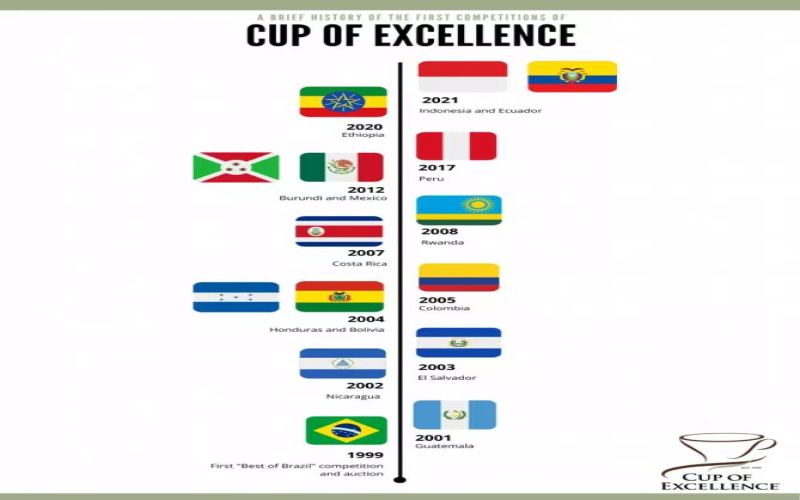
In 2020, Ethiopia held its first-ever Cup of Excellence (COE) competition in history, where 28 coffees scoring above 87 points stood out, with 3 of them even surpassing the 90-point mark, all from the Sidama region. Front Street Coffee successfully bid on a natural Typica ranked 22nd, from the West Arsi area. This article will guide you through the details of this year's COE winners, Ethiopia's coffee variety naming system, the pros and cons of traditional natural processing, as well as Front Street Coffee's roasting curve, cupping performance, and brewing suggestions for this auction lot, presenting a complete flavor guide to Ethiopia's coffee-producing regions for coffee enthusiasts. [more…]
What exactly is the COE Cup of Excellence competition? A complete breakdown from the scoring criteria to Ethiopia's first auction beans
In the specialty coffee world, the Cup of Excellence (COE) is regarded as the most prestigious green coffee competition, and the top-ranked beans on its annual list often become the focal point of auctions. This competition, launched by ACE in Brazil in 1999, now covers more than a dozen producing countries, selecting the top 30 with cupping scores above 87 for a global auction. This article will outline the origins and scoring system of the COE, and focus on reviewing the story of the 22nd-place natural Typica that Front Street Coffee won at auction when Ethiopia first joined the COE in 2020—from West Arsi, grower Adem Banta Sute—as well as the processing, roasting, and brewing details of this bean. [more…]
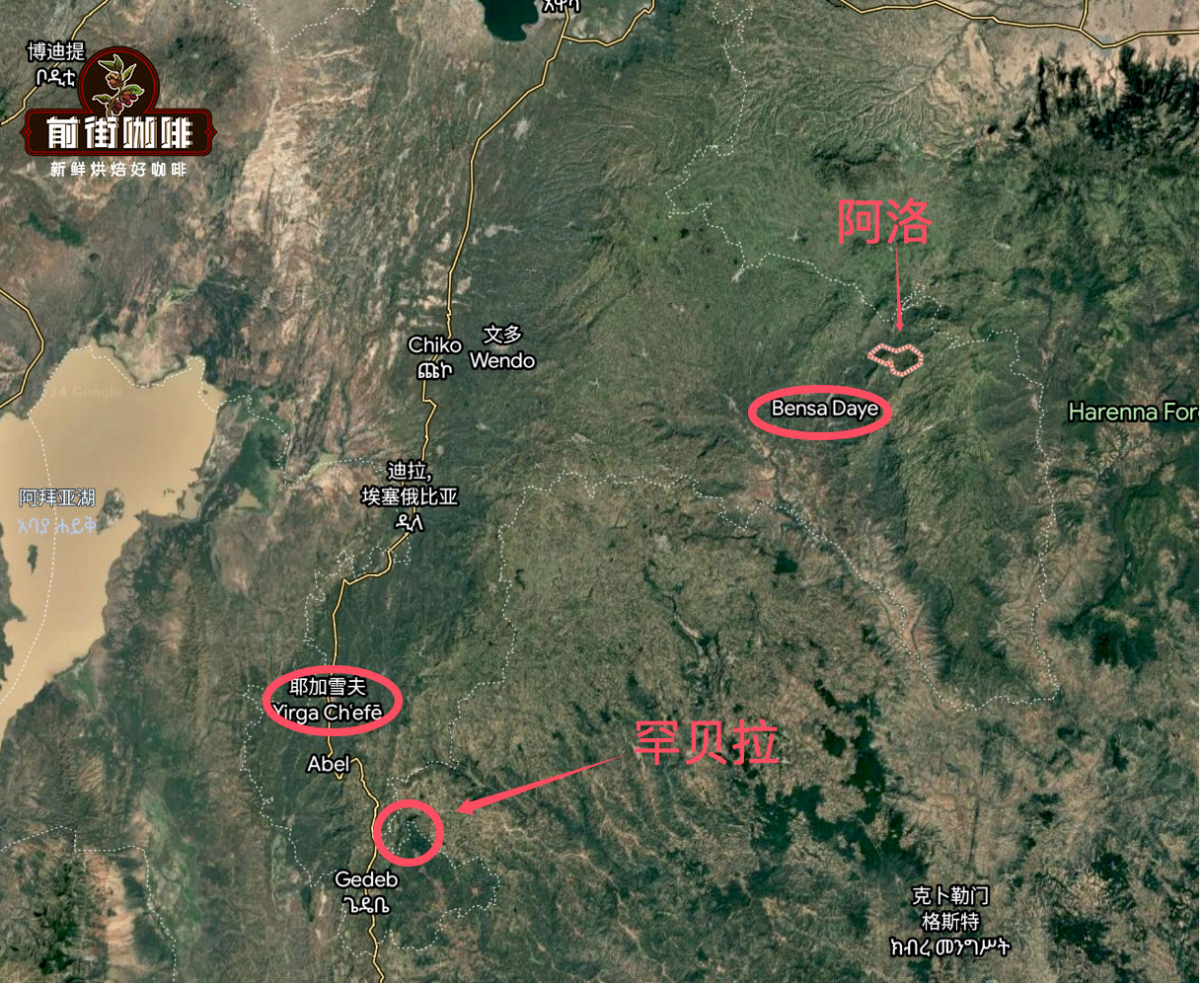
Sidamo Alo Village Coffee Beans alo coffee|Introducing the flavor characteristics of coffee beans from Alo Village, Bensa district, Sidamo, Ethiopia
Since the beginning of this year, a coffee origin called Alo Village has quickly risen to fame in coffee circles both at home and abroad, with extremely high exposure and discussion. In conversations with multiple roasters and buyers, Front Street Coffee has also clearly felt the continued rise in popularity of this origin. So, what is it about this suddenly "ubiquitous" Al [more…]
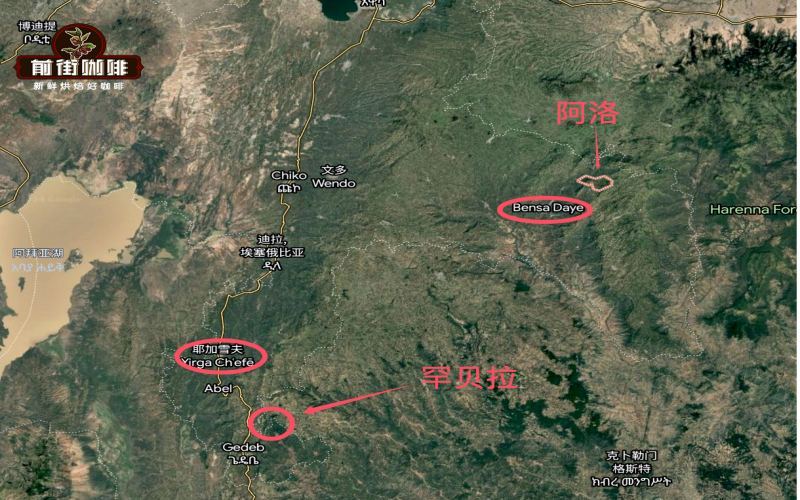
Exploring Ethiopia Sidamo Bensa Alo Village: The Flavor and Origin Story of High-Altitude Floral Coffee
Ethiopia, as the birthplace of coffee, has always been a pilgrimage destination for specialty coffee enthusiasts. In recent years, Alo Village in the Bensa area of Sidama has quickly risen to fame thanks to its outstanding performance as the 2021 COE champion, becoming a hot topic of discussion in the coffee world. Alo Coffee founder Tamiru Tadesse started from scratch, bringing the floral and fruity aromas of this high-altitude land to the world. This article will guide you through the origin background of Alo Village, the distribution of processing stations, the natural processing of the 74158 variety, and the cupping flavors and brewing suggestions brought to you by Front Street Coffee, so you can experience the unique charm of this coffee. [more…]
An Analysis of the SCAA and COE Coffee Certification Systems: Differences in Scoring Standards and Their Essential Distinction from SOE
In the world of specialty coffee, the SCAA and COE are two authoritative systems that cannot be overlooked. The former established industry standards and cupping protocols, while the latter selects top-tier green beans through rigorous competitions. How do their scoring logics differ? And why are COE and SOE often confused? This article will trace the development and operational mechanisms of the SCAA, CQI, and COE, explain in detail the differences in cupping score sheets, and use the example of the 22nd-place sun-dried Typica that Front Street Coffee bid for at Ethiopia's first COE competition in 2020 to present the complete story from origin to cup. [more…]
Flat Beans, Round Beans, and Elephant Beans in Coffee: The Causes Behind Shape Differences, Grade Pricing, and the Truth About Flavor
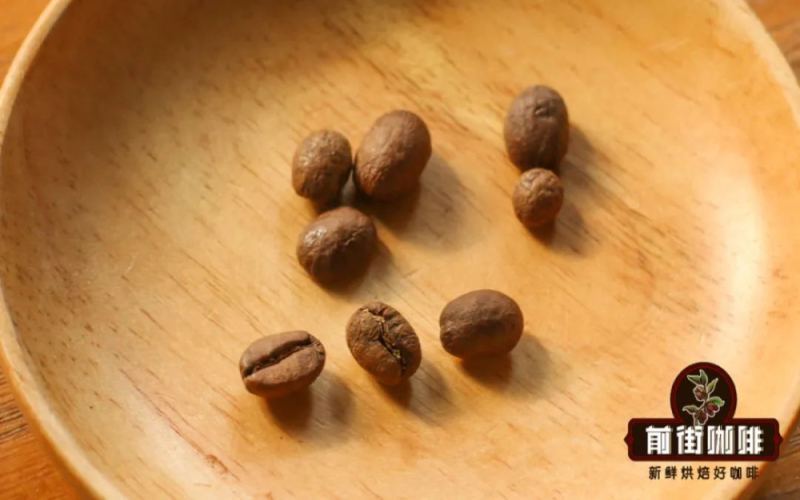
While browsing coffee-related knowledge, many people may have encountered the saying that "coffee beans are divided into male and female." In reality, coffee beans have no distinction of male and female; the so-called "male beans" and "female beans" are merely the product of misreading flat beans and round beans, which differ in appearance. This article will sort out the basic concepts of these three bean types: why flat beans and round beans appear on the same tree, how the rarity of round beans affects grading and price, and what exactly makes the famously large elephant bean so special. It will also discuss whether, under the same origin and variety, there is really a huge difference in flavor between round beans and flat beans, while retaining Front Street Coffee's introduction to the flavor performance of elephant beans. [more…]
How Long is the Freshness Period of Green Coffee Beans? Distinguishing New Beans, Old Beans, Aged Beans, and Vintage Beans, and Key Storage Points
Many coffee enthusiasts know that roasted beans should be drunk fresh, but green beans also have their own levels of freshness. Beans harvested in the current year are called new crop, those from the previous year are old crop, and those stored for more than a year are aged beans. The moisture content of green beans directly affects roasting difficulty and flavor performance. Washed beans usually range between 11.5% and 12.5%, wet-hulled Mandheling can reach 13%, and sun-dried Mocha varies widely. Beyond the usual freshness changes, there are also deliberately extended aging processes and monsoon-aged weathered coffees. This article focuses on the freshness classification of green beans, differences in moisture content, methods for judging appearance and aroma, and the handling logic behind aged beans and monsoon beans, to help you make more accurate judgments when buying and storing. [more…]
Why Coffee Bean Colors Vary in Shade: A Comprehensive Guide from Green Bean Grades to Honey Processing and Defective Beans
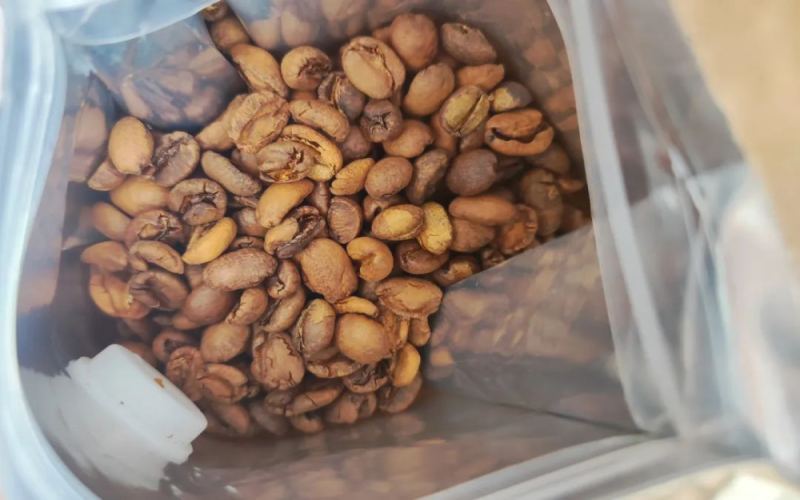
When you buy a bag of coffee beans and open it only to find the colors uneven, many people's first reaction is that "the roast went wrong." But coffee beans, being an agricultural product, can never be uniform bean for bean. This article explains, from the perspectives of green bean grading, honey processing, and anaerobic fermentation, the reasons why light-roasted coffee beans vary in shade, while also clarifying the difference between white-eye beans and normal beans, and pointing out several appearance traits often mistaken for defective beans. At the end, it uses examples from Front Street Coffee's Sherry and Warm Sun blends to illustrate how the roast level affects bean surface color and flavor performance. [more…]
The Truth About Male and Female Coffee Beans: Identifying Round Beans vs. Flat Beans, Their Causes, and Market Value Analysis
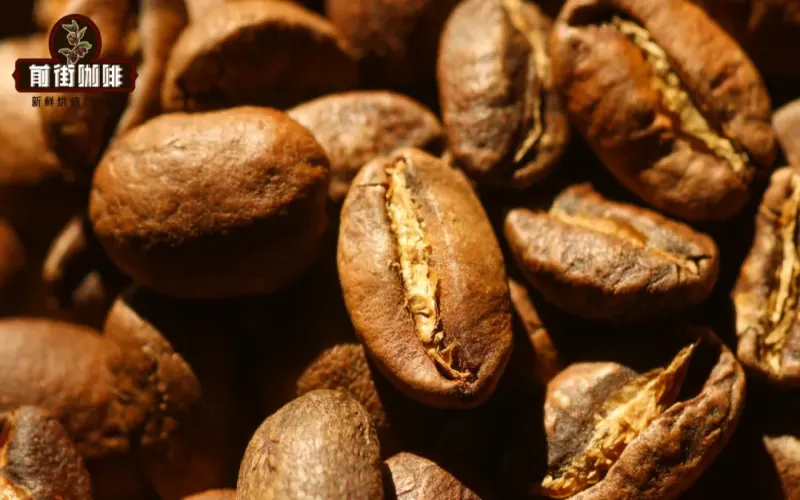
There is a popular saying online that coffee beans are divided into male and female, which confuses many enthusiasts. In fact, coffee beans have no gender differences; the so-called "male beans" and "female beans" are simply round beans and flat beans with different shapes. This article will trace the origin of this claim, explain the reasons for the formation of round beans, and analyze their special status in coffee grading and pricing. At the same time, we will also discuss whether there is really a difference in flavor between round beans and flat beans, and why most producing regions do not specifically screen for round beans. By understanding these basic facts, you will be able to view differences in coffee bean shapes more rationally and no longer be misled by marketing talk. [more…]

Guide to Identifying Coffee Defect Beans: Analysis of Several Bean Types Commonly Misjudged by Consumers and Their Causes
Many pour-over coffee enthusiasts often have doubts about the appearance of the beans after purchasing single-origin beans, and even mistake normal beans for defective ones. There are two main reasons for this misunderstanding: first, consumers who only come into contact with roasted beans rarely see truly defective beans; second, they treat coffee beans as products of an industrial assembly line, assuming they have a fixed standard appearance. In reality, most defective beans are already controlled at the green bean stage, and after roasting there is also manual sorting. This article will systematically sort out the definition of defective beans, the defect rate requirements in green bean grading, and focus on explaining several commonly misjudged situations such as peaberry, burst beans, uneven color, and shriveled wrinkled beans, to help readers view the appearance of coffee beans more rationally. [more…]
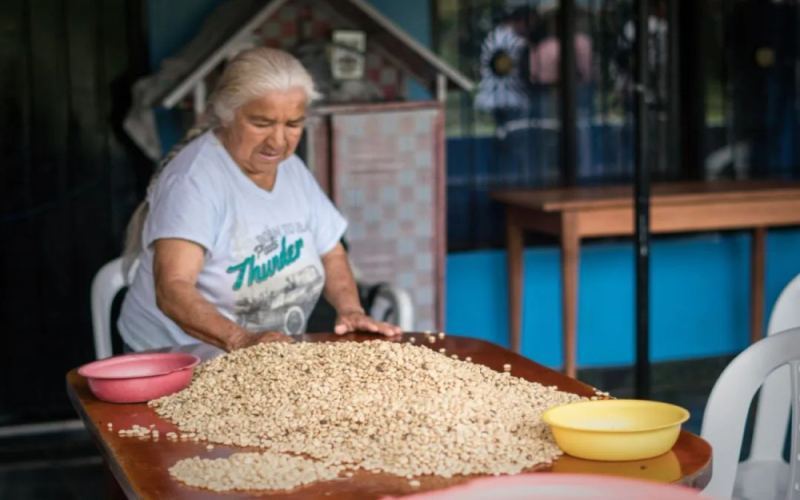
Do defective beans really change coffee flavor? From grading to roasting, we teach you to accurately identify various coffee bean defects.
Defective beans are generally considered in the specialty coffee world to affect the flavor performance of a cup of coffee. If you have the habit of buying coffee beans and brewing at home, do you need to specifically pick out defective beans before brewing? In fact, green coffee beans undergo grading after processing, and most grading systems include a defect rate indicator. The number of defects in high-grade coffee beans has already been pressed to a very low level. From green bean grading, removal before roasting, to screening after roasting, with layer upon layer of checks, there is basically no need to worry about defective bean issues when buying roasted single-origin coffee beans. However, some coffee beans that look like defects are actually normal phenomena. Front Street Coffee has summarized several common types of situations that are easily misjudged, to help everyone distinguish them accurately. [more…]

Should You Sort Out Defective Beans Before Brewing Coffee? Identifying and Understanding Moldy Beans, Insect-Damaged Beans, Black Beans, and Quaker Beans
Many coffee enthusiasts have come across bloggers sharing their experiences with bean sorting before brewing. The main purpose of sorting beans is to remove defective beans that carry negative flavors. This article focuses on this topic, systematically outlining the types, causes, and identifying characteristics of common coffee defects, including moldy beans, insect-damaged beans, black beans, and the more unusual quaker beans, while explaining their specific impact on coffee flavor. It also addresses a practical question: if the chosen merchant is reliable enough and the beans have undergone multiple rounds of sorting before and after roasting, is it still necessary to sort beans by hand yourself? Drawing on Front Street Coffee's sorting process and a 15g Panama Boquete Geisha as an example, the article offers a useful reference answer. [more…]
Do Coffee Beans Really Have Male and Female Types? Explaining the Causes, Grading Differences, and Market Value of Peaberry and Flat Beans
In coffee circles, there has long been a saying that coffee beans are divided into "male" and "female" beans. Some people call oval beans "male beans" and flat beans "female beans," and use this to drive up the price of round beans. However, the truth is that coffee beans have no gender distinction. The difference between round beans and flat beans comes from whether the ovule was successfully pollinated during fruit development. Round beans are sought after because they are rare, but they show no significant flavor difference from flat beans of the same variety from the same origin. This article will systematically sort out the origin of round beans, their particle size characteristics, the logic of grading and pricing, and the actual attitudes of various producing regions toward round beans, to help you view this special bean shape rationally. [more…]
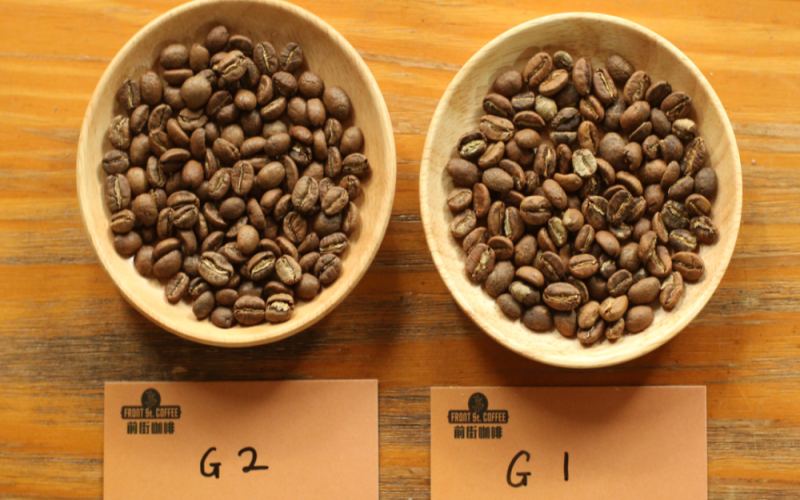
An Introduction to Green Coffee Bean Grades | A Comparison of Coffee Bean Characteristics, Flavor, and Taste Across National Green Coffee Bean Grading Systems: G1, G2, AA, PB, SHB
For more specialty coffee knowledge, please follow our WeChat official account: Front Street Coffee (FrontStreet Coffee). Many friends, while drinking coffee at Front Street, ask our baristas, "What is Yirgacheffe G1 and Yirgacheffe G2?" "What is Kenya AA, AB?" What is Guate... [more…]

A Detailed Explanation of Green Coffee Defect Classification Standards: Which Beans Need to Be Removed and Which Are Just Visual Misunderstandings
Many coffee enthusiasts, when first encountering coffee beans, often misjudge defective beans based on unusual appearance. In reality, true defective beans are mainly concentrated at the green bean stage, and most have already been screened out at the producing region and roasting stages. Among the beans consumers buy day to day, those covered in wrinkles, with cracks, or on the lighter side in color are often not defects, but normal phenomena brought about by light roasting, high-altitude cultivation, or specific processing methods. This article systematically sorts out the classification standards for green coffee bean defects, distinguishes true defective beans from appearance traits that are easily misunderstood, and introduces Front Street Coffee's practice of double screening before and after roasting, helping readers build a more accurate basis for judging quality. [more…]
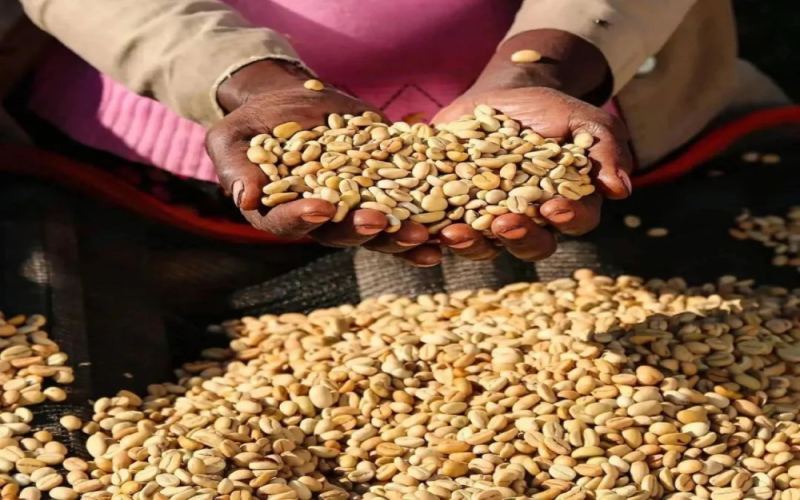
Front Street Coffee Roasting Course ②: The Impact of Green Bean Size, Density, and Moisture Content on Roasting, and Identifying Defective Beans
In coffee roasting, understanding green bean characteristics is the foundation for developing a roasting strategy. Starting from the Front Street Coffee roasting course, this article provides a detailed analysis of how the three key indicators of green beans—moisture content, density, and size—affect heat transfer and flavor development, and systematically introduces the causes and harms of common defective beans such as shell beans, insect-damaged beans, moldy beans, black beans, and white-eye beans. Mastering this knowledge helps with proper screening and adjustment before roasting, ensuring the final coffee flavor is clean and rich. [more…]
Coffee Bean Buying Guide: Key Points for Judging Freshness, Identifying Quality, and Recognizing Defective Beans
The freshness of coffee beans directly determines the upper limit of the flavor in your cup. Starting from practical buying tips, this article teaches you how to tell whether beans have absorbed moisture or oxidized by squeezing them by hand, chewing them, and smelling their aroma, and explains why freshly roasted beans need to rest for a week before being brewed. At the same time, the article also introduces the consistency differences between single-origin beans and blend beans in terms of particle size and color, as well as the spoilage signal indicated by oil appearing on light-roast beans. In addition, the article lists common types of defective beans, including fermented beans, dead beans, black beans, insect-bored beans, and broken beans, to help you quickly screen out high-quality coffee beans by appearance. It is recommended to buy only as much as you can consume within half a month, and the related products from the Front Street Coffee brand are also worth paying attention to. [more…]

Espresso Bean Grind Size | What is the coffee-to-water ratio for extracting espresso from espresso beans? Can espresso beans be used to make pour-over black coffee?
Friends who often follow Front Street should know that Front Street focuses on freshly roasted coffee. Freshly ground coffee is not the same as fresh, and of course, the fresher the better is not always true. Front Street generally provides coffee beans that are two to three days past the roast date. Coffee beans that have rested for a few days can better express their true flavors when brewed. Front Street not only offers single [more…]